







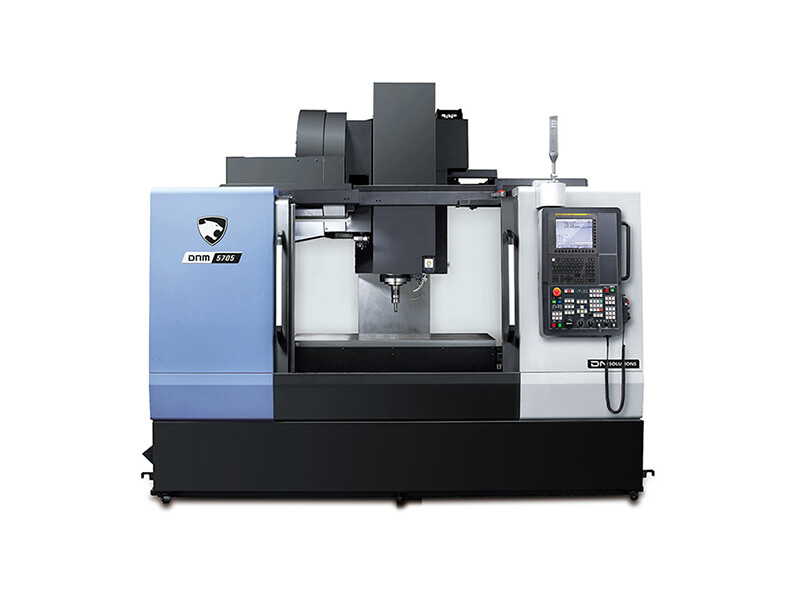
Key Advantages of Vertical Machining Centers for Modern Manufacturing
In the competitive world of CNC machining, the Vertical Machining Center (VMC) remains the backbone of countless machine shops. Whether you are producing aerospace components or automotive parts, the VMC offers a blend of precision and practicality that is hard to beat. Here are the top five advantages of integrating a vertical machining center into your production line.
1. Superior Visibility and Operator Access
One of the most immediate benefits of a VMC is its open design. Because the spindle approaches the workpiece from the top, operators have an unrestricted view of the cutting process. This clear visibility allows for easier setup, real-time monitoring, and quicker tool changes, significantly reducing the risk of collisions and setup errors.
2. Cost-Effective Production
Compared to horizontal machining centers, VMCs are generally more affordable to purchase and maintain. Their simpler structure translates to lower initial capital investment and reduced maintenance costs. Furthermore, the widespread availability of these machines means replacement parts are easily accessible, minimizing costly downtime.
3. Exceptional Versatility and Flexibility
Vertical machining centers are incredibly versatile. They are equipped to handle a wide variety of materials—from aluminum to hardened steel—and can perform multiple operations, including milling, drilling, tapping, and boring. This adaptability makes them an ideal solution for job shops that need to switch rapidly between different parts and batch sizes.
4. Efficient Chip Evacuation
The vertical orientation provides a natural advantage when it comes to chip removal. Gravity assists in pulling chips away from the cutting zone and down into the chip conveyor. This prevents re-cutting of chips, which can damage the tool and compromise the surface finish, ensuring longer tool life and higher part quality.
5. Ideal for Precision Fixturing
While gravity can be a challenge for holding parts, it is actually a benefit for securing workpieces. The weight of the part presses down onto the worktable, simplifying the clamping process. This stability is particularly advantageous for heavy, rigid parts that require high-precision machining without the need for complex, expensive fixtures.
Conclusion
The vertical machining center is more than just a standard piece of equipment; it is a strategic asset for efficiency and precision. By offering a unique combination of accessibility, cost-efficiency, and flexibility, VMCs continue to be a vital choice for manufacturers aiming to optimize production without sacrificing quality.
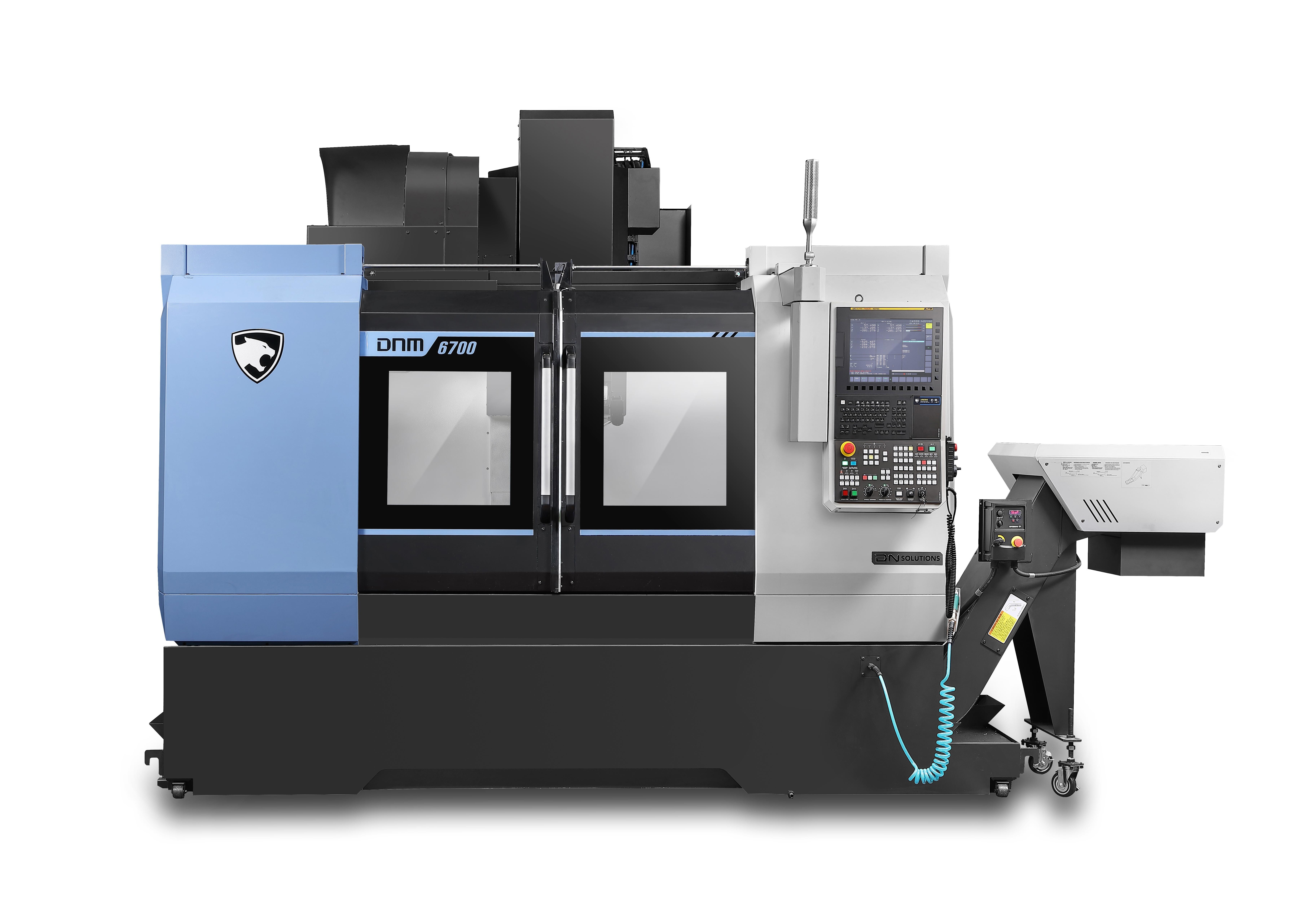
 DNM 6700 4THDNM 4th
High Productivity Global Standard Vertical machining center
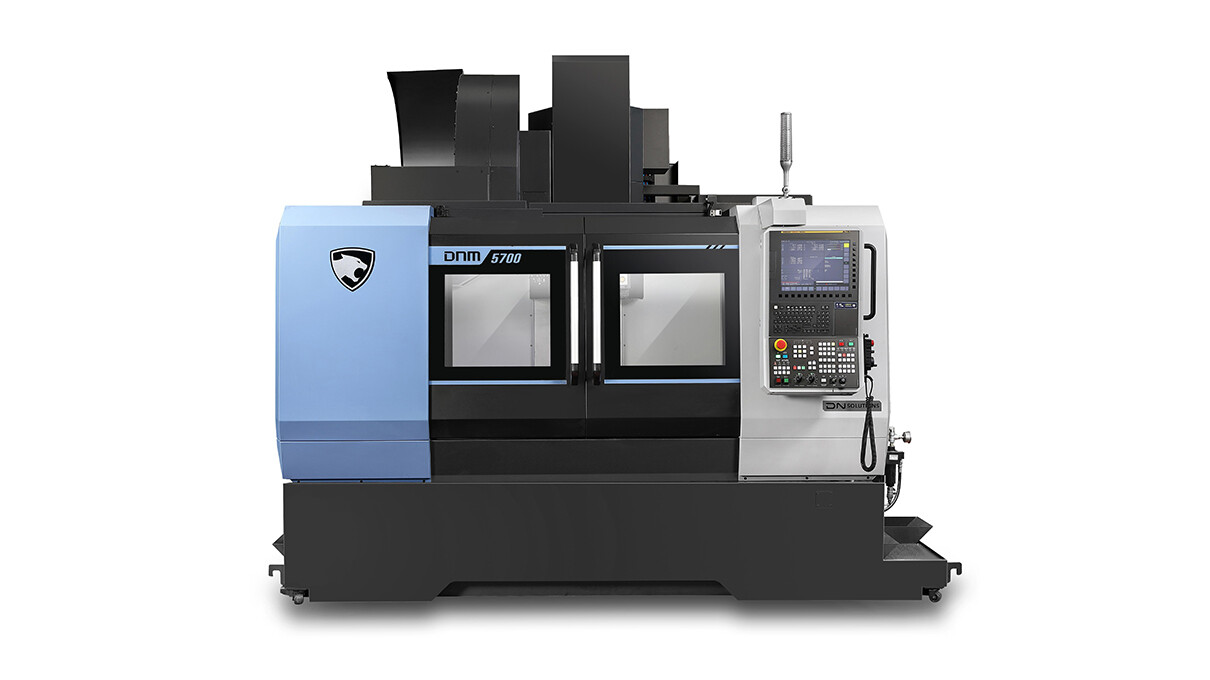
Used by numerous customers around the world, the DNM series is a global bestseller that represents the culmination of DN Solutions' fifty years of technology and know-how, and is a market leader with the highest productivity and durability in its class. With DN Solutions' 4th DNM series, you will experience unrivaled reliability. DNM 5700 4THDNM 4th
High Productivity Global Standard Vertical machining center
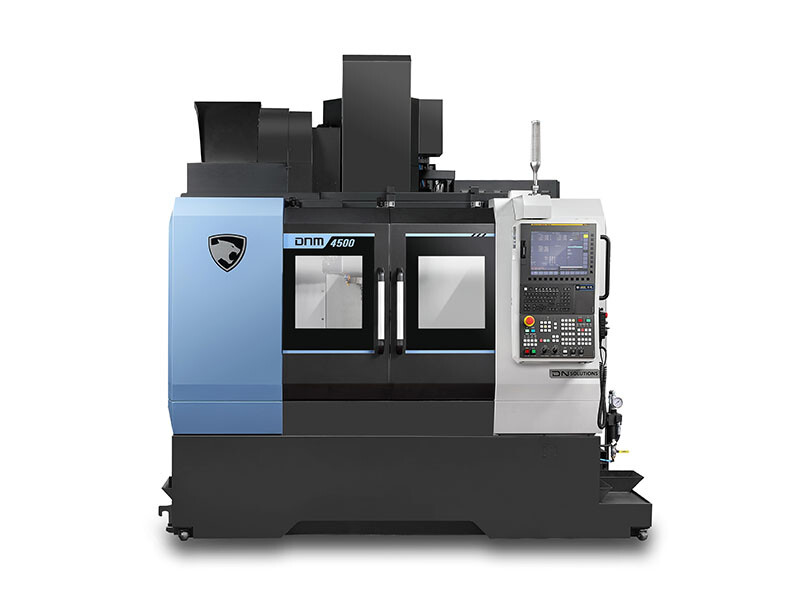
Used by numerous customers around the world, the DNM series is a global bestseller that represents the culmination of DN Solutions' fifty years of technology and know-how, and is a market leader with the highest productivity and durability in its class. With DN Solutions' 4th DNM series, you will experience unrivaled reliability. DNM 4500 4THDNM 4th
High Productivity Global Standard Vertical machining center
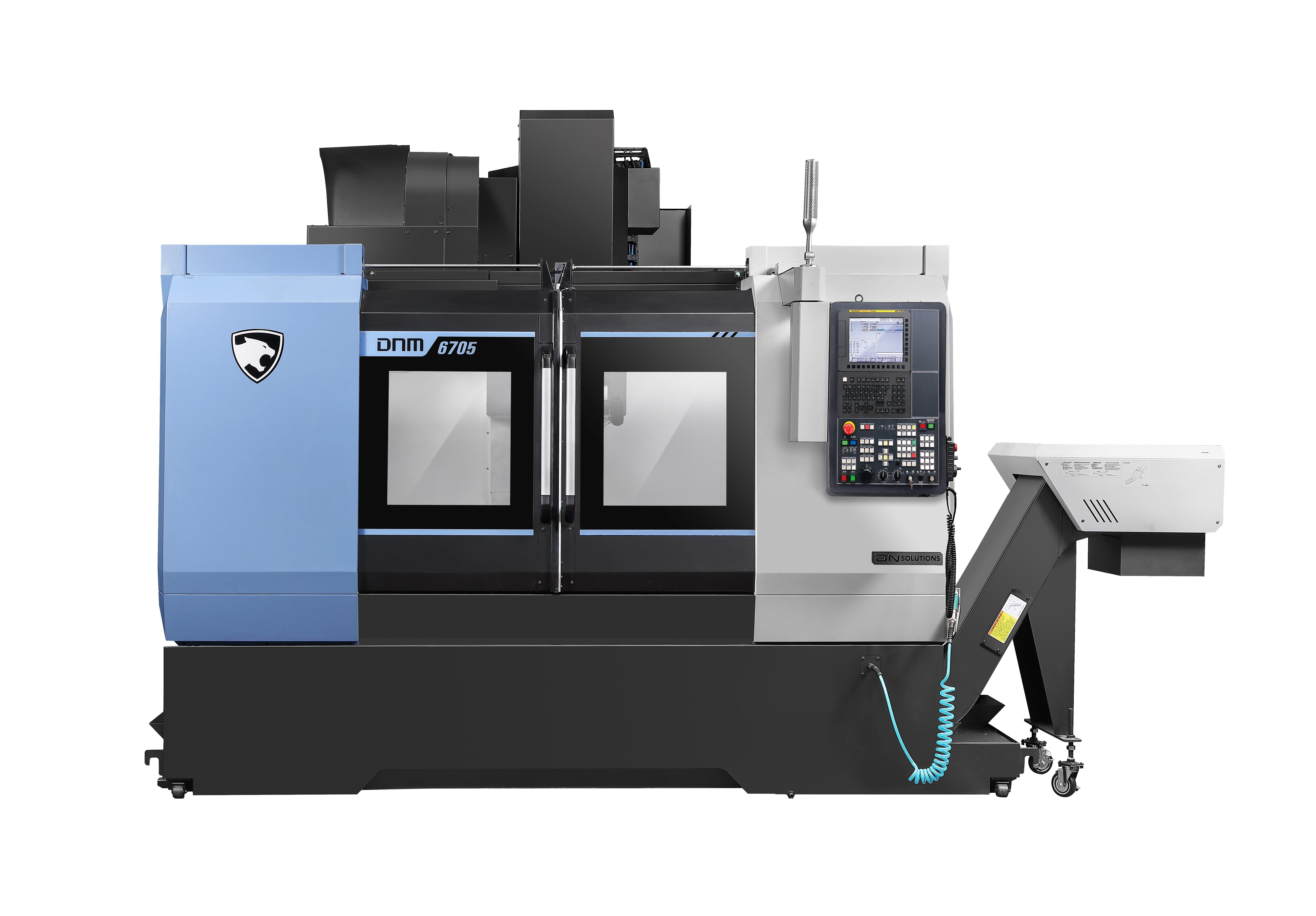
Used by numerous customers around the world, the DNM series is a global bestseller that represents the culmination of DN Solutions' fifty years of technology and know-how, and is a market leader with the highest productivity and durability in its class. With DN Solutions' 4th DNM series, you will experience unrivaled reliability. DNM 6705High-speed, high-productivity vertical machining center
International manufacturing standards, globally best-selling high-productivity vertical machining center
Get in Touch
*We respect your confidentiality and all information are protected.
First class quality service and professional after-sales team.